%20(290%20x%20243%20px).png)
What Are the Benefits of Team Building Through Craft Workshops

Traditional team building still happens on ropes courses and golf outings, but many managers are looking elsewhere. People want activities that feel inclusive, work in urban offices, and do not depend on athletic skill or weather.
Craft workshops answer that shift. Teams show up, build something physical together, and leave with a shared story plus optional take-home objects. HR leads, people managers, and founders research formats like this when they need an offsite that actually gets talked about afterward.
This post covers why creative team building is gaining ground, the core benefits, how craft compares to other formats, and how Craft for Team structures corporate sessions
in the Bay Area.
Why Traditional Team Building Is Losing Ground
Not every classic format fails, but common pain points push teams toward alternatives.
Skill and fitness bias Athletic events favor already-active participants. Others sit out or feel watched.
Weather and travel risk Outdoor plans cancel. Bay Area traffic makes distant venues costly in time.
Shallow connection Some games create laughs for an hour without lasting rapport.
Introvert fatigue Forced performances and loud competitions drain quieter staff.
Remote-hybrid mismatch Distributed teams need periodic in-person anchors that feel purposeful.
Craft workshops offer parallel participation: everyone works at once, progress is visible, and conversation happens naturally at the table.
Key Benefits of Team Building Through Craft
Collaboration without forced trust falls
Teams coordinate informally: passing yarn, comparing colors, asking how a step looked. That is real collaboration at low pressure. No one is singled out to "lead the blindfold walk."
Focus and mental reset
Hands-on tasks pull attention away from Slack and email for a few hours. Many employees describe craft time as calming because the next step is clear.
Stress relief
Creative work with structure reduces anxiety compared to open-ended "be creative" assignments. Instructions lower the fear of doing it wrong.
Shared output
Everyone leaves with something tangible. Lamps, candles, terrariums, moss panels, tufted pieces, and blankets become desk stories or home reminders of the day.
Inclusive participation
Roles are similar across the room. Senior leaders and new hires use the same materials. Hierarchy softens when everyone is learning a step at the same time.
Conversation across functions
Mixed tables encourage cross-team talk that cafeteria lunches rarely produce.
Memorable photos
Finished pieces photograph well for internal newsletters without awkward staged poses.
Predictable logistics
Indoor studios simplify planning versus outdoor adventure vendors.
What Craft Workshops Offer Over Other Team Building Formats
Dinner outings are easy for social time, but conversation tends to cluster at one end of the table. With a craft workshop, everyone shares a task, so the whole group stays engaged.
Escape rooms bring puzzle energy, but capacity limits and claustrophobia concerns can get in the way. Craft sessions use open rooms and allow a calmer pace.
Volunteer days carry a sense of purpose, but physical demands vary. A studio environment keeps conditions consistent for everyone.
Sports-based events bring energy but exclude non-players. Craft has a low athletic demand and works for all fitness levels.
Lecture offsites deliver learning but require passive attendance. Craft sessions are active from start to finish.
Craft sits in the middle: engaging, not exhausting; social, not performative.
Decor and workplace relevance
Moss wall art and terrarium sessions connect to office aesthetics conversations. Teams discuss where pieces might live at work or home, which extends the event beyond the room.
Gift and milestone use
Craft offsites fit product launches, tenure milestones, and welcome weeks better than generic social hours.
How Craft for Team Structures Corporate Sessions
Craft for Team specializes in guided craft workshops for individuals and private groups. Corporate clients book private team sessions when they need a dedicated date, a closed studio for their company, a craft aligned with team personality or event theme, and materials and instruction bundled in one quote.
Workshop types available for teams
Candle making
Turkish mosaic lamp making
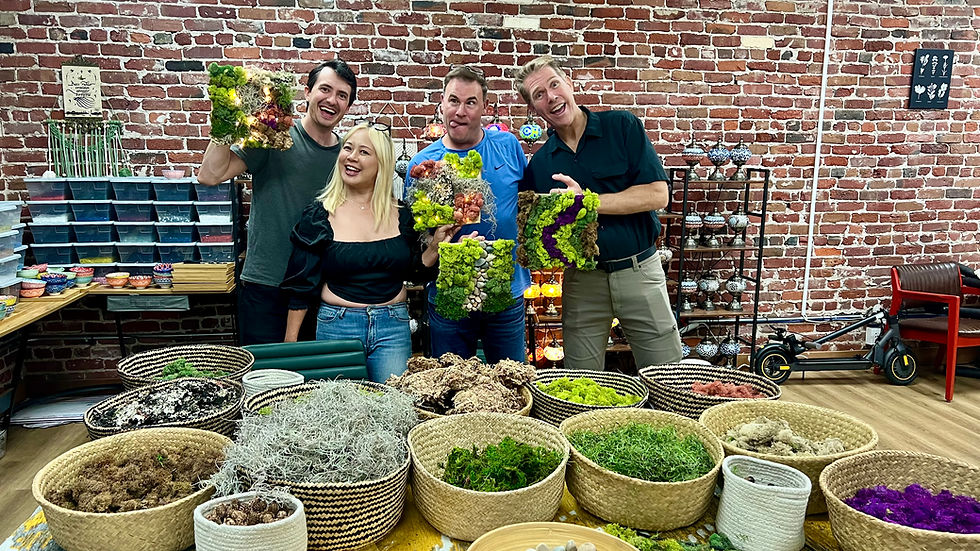
Moss wall art
Terrarium building
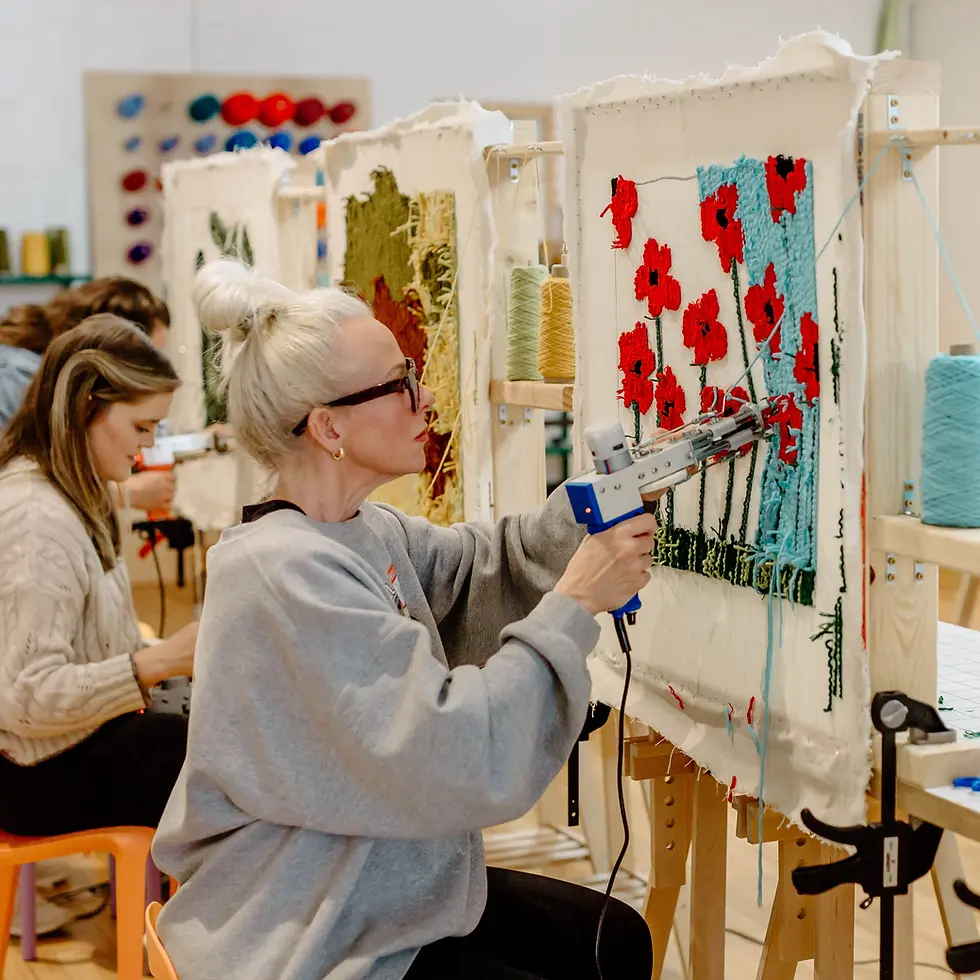
Rug tufting
Chunky knit blanket making
Other crafts listed on the calendar when available
Locations
San Francisco - SoMa: 360 Ritch Street, Suite 205, San Francisco, CA 94107 San Francisco - Financial District: 405 Sansome Street, 4th Floor, San Francisco, CA 94111 San Jose: 255 N Market Street, Suite 270, San Jose, CA 95110
Choose based on where most attendees work or stay. South Bay-heavy teams often prefer San Jose. SF-based HQs may prefer the SoMa or Financial District rooms.
Typical session structure
Welcome and safety or tool briefing
Instructor demonstration
Parallel building time with table support
Finishing steps and take-home guidance
Optional group photo with finished work
Private booking vs. public tickets
Public open sessions suit small teams willing to join strangers. Private booking suits confidentiality, larger groups, or schedule control.
Pricing
Corporate quotes reflect group size, craft type, and duration. Expect transparent line items starting in the $49 range on inquiries. Confirm what is included: materials, instruction, studio time, and cleanup.
Lead time
Popular quarters fill early. Submit inquiries with a date range and alternate crafts.
Planning Tips for HR and Team Leads
Survey for allergies or scent sensitivity before candle sessions. Confirm accessibility needs for the suite location. Share dress code: comfortable clothes, closed-toe shoes. Align start time with commute patterns. A 10 a.m. start helps Peninsula-to-SF trips. Collect dietary needs separately if you add a meal. The craft block stays focused.
Measuring Success After the Workshop
Simple signals to watch for:
Attendance rate vs. optional social events Internal channel posts or photos Repeat booking requests from other departments New hire onboarding feedback
Craft offsites rarely need complex ROI models. Participation and post-event conversation are often enough for internal sponsors.
Who Should Book a Craft Team Building Session
Engineering orgs wanting a non-competitive offsite People teams planning onboarding weeks Sales teams after a hard quarter Leadership groups welcoming new executives Remote teams reuniting quarterly
If your group is nervous about skill level, start with beginner-friendly crafts. Candle and terrarium sessions are easy entry points. Lamp, tufting, and chunky knit sessions add wow factor once the team trusts the format.
Book a private team building craft workshop in San Francisco or San Jose at craftforteam.com.

Comments