%20(290%20x%20243%20px).png)
How to Plan Team Events for the Ultimate Team Building Experience
- Abdulkadir Gokdogan
- Jan 14
- 3 min read

Creating a memorable and effective team event requires thoughtful planning and attention to detail. Whether your goal is to boost morale, improve communication, or simply have fun, a well-organized event can make a lasting impact. This guide will walk you through the essential steps to plan team events that engage and inspire your group.
Understanding the Purpose of Your Team Event
Before diving into logistics, it’s crucial to define the purpose of your event. Are you aiming to enhance collaboration, celebrate achievements, or introduce new team members? Clarifying your goals will help you choose activities and settings that align with your objectives.
Boosting morale: Choose fun, light-hearted activities that encourage laughter and relaxation.
Improving communication: Opt for problem-solving challenges or workshops that require teamwork.
Celebrating success: Plan a formal or informal gathering to recognize accomplishments.
Onboarding new members: Include icebreakers and interactive sessions to foster connections.
By identifying the purpose, you can tailor your event to meet specific needs and ensure everyone benefits.
How to Plan Team Events That Everyone Will Enjoy
Planning team events that appeal to a diverse group can be challenging. Here are some practical tips to ensure inclusivity and engagement:
Survey your team: Ask for input on preferred activities, dates, and locations.
Consider accessibility: Choose venues and activities that accommodate all physical abilities.
Balance work and play: Mix professional development with fun to keep energy high.
Set a budget: Determine how much you can spend and allocate funds wisely.
Plan for food and refreshments: Good food can enhance the experience and keep participants energized.
By involving your team in the planning process and considering their needs, you increase the chances of a successful event.

Selecting the Perfect Venue and Activities
The venue sets the tone for your event, so choose wisely. Consider the size of your group, the type of activities planned, and the atmosphere you want to create.
Indoor venues: Conference centers, hotels, or coworking spaces are ideal for workshops and presentations.
Outdoor venues: Parks, adventure courses, or beaches work well for physical activities and relaxation.
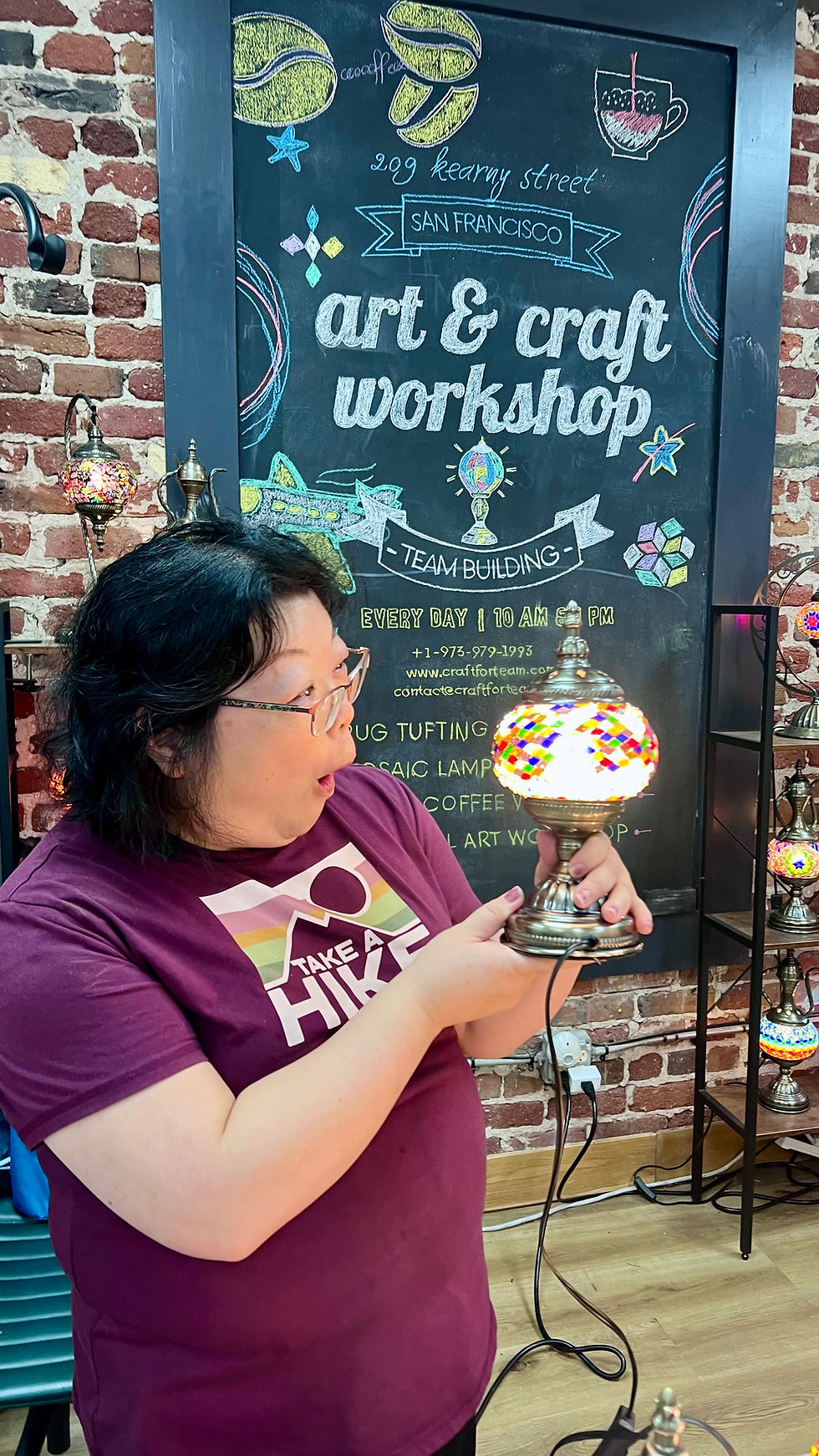
Unique locations: Museums, art studios, or cooking schools can add a creative twist.
When selecting activities, aim for a mix that encourages collaboration and fun. Examples include:
Escape rooms for problem-solving
Team sports for physical engagement
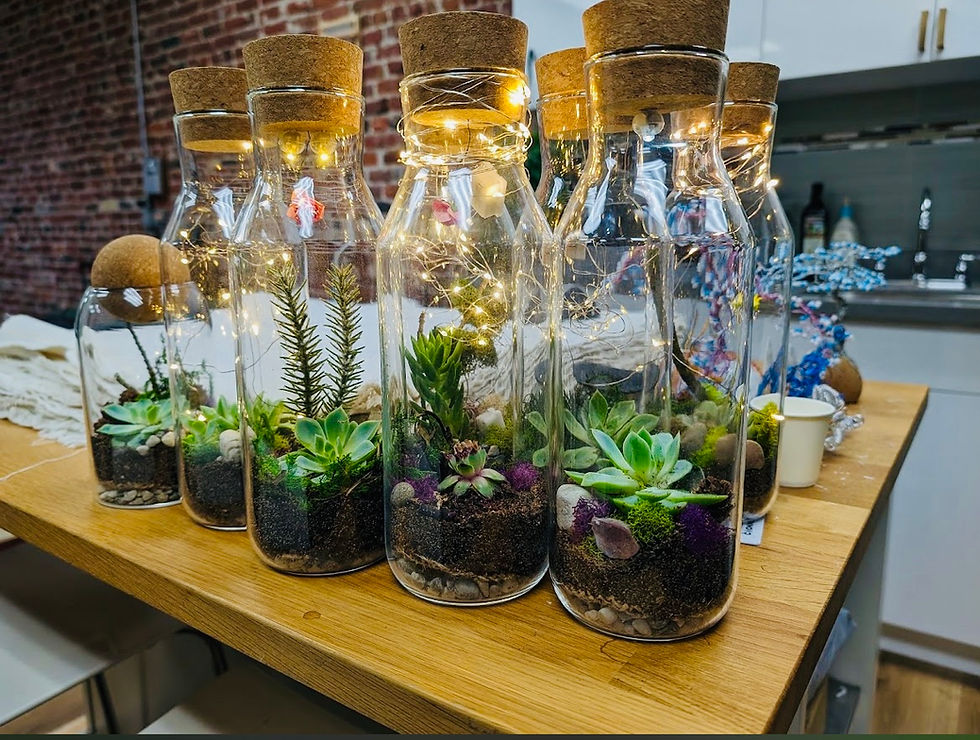
Creative workshops for innovation
Volunteer projects for community building
Make sure the activities align with your event’s goals and the interests of your team.
Tips for Seamless Event Execution
Executing your plan smoothly requires attention to detail and flexibility. Here are some actionable recommendations:
Create a detailed schedule: Include start and end times, breaks, and transitions.
Assign roles: Designate team members or hire professionals to manage logistics.
Prepare materials: Ensure all supplies and equipment are ready in advance.
Communicate clearly: Send reminders and instructions to participants before the event.
Have a backup plan: Be ready to adapt in case of weather changes or unexpected issues.
These steps will help your event run without a hitch and keep participants engaged throughout.

Measuring Success and Gathering Feedback
After the event, it’s important to evaluate its effectiveness. Collect feedback to understand what worked well and what could be improved.
Surveys: Use anonymous questionnaires to gather honest opinions.
Group discussions: Hold a debrief session to share experiences and insights.
Observation: Note participant engagement and interactions during the event.
Follow-up: Track any changes in team dynamics or productivity over time.
Use this information to refine your approach for future events and continue building a strong, connected team.
Creating Lasting Impact Beyond the Event
A successful team event should have effects that extend beyond the day itself. Encourage ongoing collaboration and connection by:
Sharing photos and highlights to keep memories alive.
Organizing regular check-ins or smaller gatherings.
Implementing ideas or skills learned during the event.
Recognizing team achievements publicly.
By nurturing the relationships and momentum created, you ensure your investment in team building pays off long-term.
For those looking to elevate their next gathering, consider planning a team building event that combines fun with meaningful interaction. With the right preparation, your team will leave feeling motivated and united.

Comments